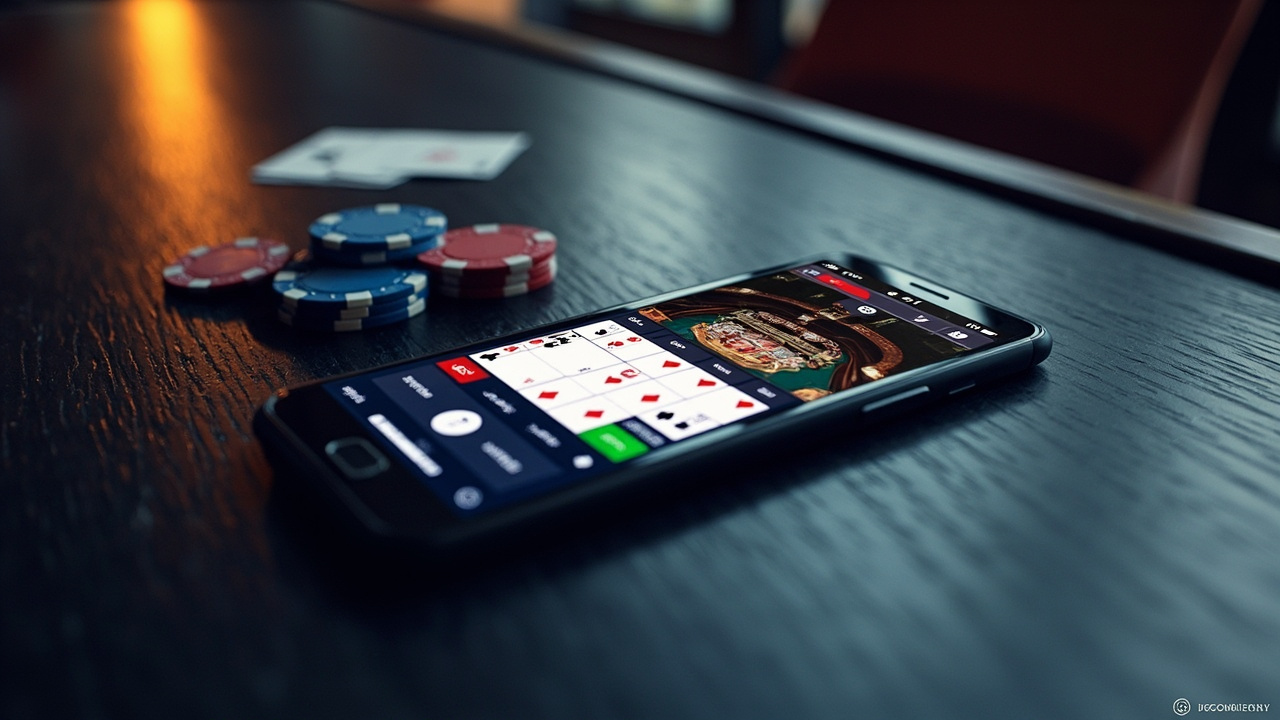
Getting started with texas holdem beginner tournaments can feel like walking into a busy lounge without a seat map. The structure matters more than flashy bonuses, especially when you want a fair shot at building skill without burning through your bankroll on day one. This review looks at how a well-run entry-level event should feel on mobile, what limits actually protect new players, and where the trade-offs sit when you compare a polished app against a simpler web table. We keep the focus on the tournament product itself, not the marketing around it.
Entry Structure And Fair Limits

A sensible texas holdem beginner tournaments product starts with blind levels that move slowly enough for a first-time player to make a decision without panic. You want flat or gently ascending structures, re-entry windows that do not punish a shaky first orbit, and buy-ins that sit in a range a casual punter can afford without thinking twice. In my early days building retention loops for regulated startups, I learned that soft limits and clear pacing beat aggressive upsells every time, because players who feel rushed simply leave and do not return. The best entry events also cap the field at a size that keeps the action readable on a phone screen, rather than forcing you to scroll through a crowded lobby just to find your seat.
When you compare two events side by side, the details that matter are not the glitz but the rules written into the entry. Look for a published blind schedule, a clear explanation of how re-buys work, and a start time that is not hidden behind a countdown that changes at the last minute. A mobile-first table should load your cards and the action log without lagging when three other players are acting at once. If the platform feels as clunky as a dial-up connection in a Wollongong beachside cafe on a hot arvo, the tournament may be fine on paper but frustrating in practice. We have seen products where the entry flow is smooth but the in-play navigation forces you to tap through three menus just to check your stack, and that is the kind of friction that kills retention fast.
| Feature | What To Expect | Why It Matters |
|---|---|---|
| Blind structure | Slow, flat early levels | Gives new players time to read action |
| Re-entry rule | Clearly stated window | Prevents surprise losses from a bad first hand |
| Field size | Moderate cap for mobile | Keeps the action readable on a small screen |
| Start transparency | Fixed or clearly rolling time | Reduces confusion about when you are seated |
Mobile Usability And Real Performance
The mobile experience is where most beginners actually live, so a texas holdem beginner tournaments product needs to work in a browser and in an app without feeling like two different games. Responsiveness matters more than fancy animations when you are trying to read a turn on a phone held in one hand. A clean layout, sensible tap targets, and a hand history that loads without making you wait through a spinning loader are the signs of a product built for real use rather than a demo. Performance should hold up when the table gets busy, because a stutter at the moment you need to fold or raise is not just annoying, it can cost you a seat.
Navigation should let you move from the lobby to your active table and back to your balance without losing your place. If you have ever used a plinko machine in instant arcade format, you know the value of a screen that tells you exactly where you stand without making you hunt for it. The same principle applies here: your chips, your blinds, and your next decision should be visible in a single glance, not buried under a layer of promotional tiles. Support also matters on mobile, because a quick chat or clear FAQ can save a player who is stuck on a verification screen or confused about a pending start. A product that treats mobile as an afterthought usually shows it the moment the table fills up and the interface starts to feel cramped.
Beginner Tips For Your First Event
If you are new to the game, treat your first texas holdem beginner tournaments like a paid lesson rather than a race to the top of the leaderboard. Start with a buy-in you can afford to lose, pick an event with a slower blind structure, and give yourself permission to fold hands that do not have enough strength or position to justify staying in. A few simple habits will carry you further than any flashy strategy tip you read in a hurry. Play tight in the early levels, pay attention to how often players before you raise, and use the chat or hand history to learn what went wrong after a bad beat instead of chasing the loss. plinko machine in instant arcade format
- Choose an event with a blind schedule you can read before you sit down.
- Keep your first buy-in small enough that a lost seat does not ruin your week.
- Watch the action on a couple of tables before you enter, so the pace feels familiar.
- Use your phone’s landscape mode if the table feels cramped in portrait.
- Step away between levels if the session starts to feel rushed or emotional.
This is the kind of advice I would give a mate sitting in on their first event, because the goal is to build a habit of making calmer decisions under pressure. A regulated product should make that easier by showing you the rules, the schedule, and your own history without making you hunt for them. When the interface is honest and the pacing is sensible, beginners can focus on learning the game instead of fighting the screen.
Compliance, Support, And The Long Game
A serious texas holdem beginner tournaments product is built with compliance and player protection in mind, not just the next deposit. That means clear age checks, readable terms on bonuses and entry rules, and a support team that can answer a straightforward question without sending you in circles. In my experience taking products from startup to exit, the operators who survive are the ones who treat responsible play as part of the core design rather than a checkbox at the end. A beginner event should never feel like a funnel designed to push you into higher stakes before you are ready, and the terms should be easy to find before you commit your money.
Payments and currencies should be presented in a way that matches what Australian players actually use, with fees and processing times stated plainly rather than hidden behind vague promises. A local touch matters too, and a team that understands the rhythm of an Australian weekend can make support feel less robotic when you need help during an evening session. Daniel Wright, Senior Market Analyst, Southern Star Esports, has pointed out that entry-level events tend to hold their audience better when the product is predictable and the support is easy to reach, because new players return when they trust the environment more than when they are chasing a one-off bonus. A product that keeps its promises on licensing, verification, and fair play will usually outperform one that leans on hype and leaves you guessing about the rules.

Playing texas holdem beginner tournaments is mostly about finding an event that respects your time, your phone, and your learning curve. A clear blind structure, a mobile screen that behaves, and support you can actually reach will do more for your first session than a big headline bonus ever will. Pick a product that explains its rules plainly, keeps the field readable, and treats a new player like a future regular rather than a quick deposit, and you will have a much better chance of enjoying the game instead of just surviving it.