
Playing multiple hands at once changes the rhythm of the table, but it does not magic away the mathematics underneath. If you are weighing multi hand blackjack house edge and odds, the first thing to separate is entertainment value from expected loss, because spreading your chips across several spots can feel busier without improving your long-term position. We built customer-support workflows for iGaming and Web3 communities that lean on clear, multilingual knowledge bases, and the same discipline applies here: players need plain explanations of payout structures, rule variants, and where the edge actually sits, not marketing gloss. The review focus below stays on how a well-set-up table presents those numbers, how easy it is to read them under pressure, and what that means for everyday play.
How the Edge Behaves Across Several Hands
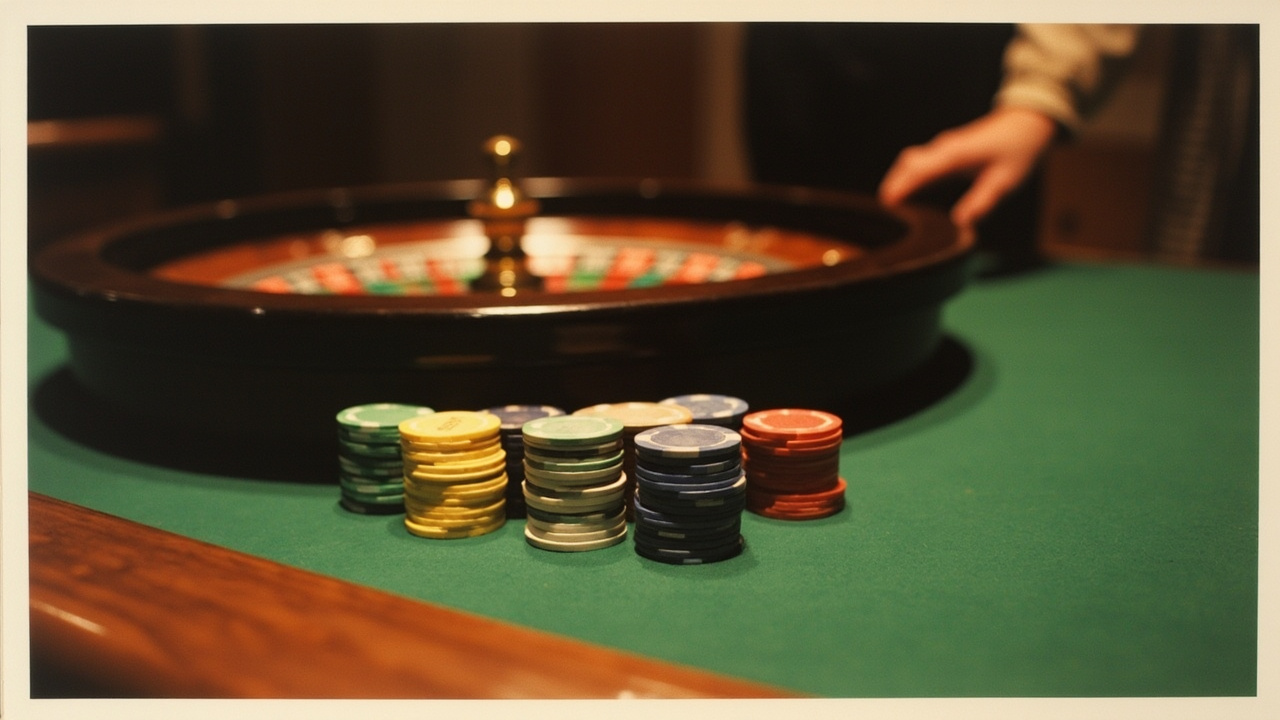
The base house edge in blackjack usually lands somewhere around the low single digits, depending on rule tweaks like whether the dealer hits soft 17, how many decks are in play, and whether doubling or splitting is restricted. When you move to multi-hand formats, the mathematical expectation per hand stays broadly the same; what shifts is how quickly variance the original shows up and how often you are making simultaneous decisions. That matters for bankroll pacing, because a run of bad cards across three spots can draw down a balance faster than a single hand would, even though the underlying edge has not changed. A table minimum sets the smallest allowed bet, and that floor becomes more important when you are covering multiple positions, since the per-round outlay multiplies while the expected loss per dollar wagered stays tied to the same rule set.
Interface clarity is where a lot of tables earn or lose trust. In a support context I have seen players misread split rules or surrender options because the on-screen text was buried under badges and animations, and the fix is usually structural rather than cosmetic. A clean layout puts the rule summary, payout table, and current hand status in predictable places, with language and currency that match the player’s setting rather than forcing a mental translation mid-hand. When the same information is consistent from session to session, players spend less time guessing and more time actually comparing how their choices interact with the stated odds. That is the practical difference between a table that feels polished and one that simply looks busy.
What the Layout and Localisation Must Get Right
The visual identity needs to do real work, not just look sharp. A crowded dashboard with stacked banners, rotating promos, and tiny rule footnotes creates the same kind of friction you get on a delayed Sydney train when every announcement is half-heard and nobody knows which carriage is which. Good tables keep the decision panel legible, separate game info from promotional copy, and make the current hand’s status obvious without forcing a scroll or a second look. Navigation should let you move between game variants, check payout rules, and confirm the table minimum without losing your place, which sounds basic until you watch a player try to do that under time pressure and fail.
Localisation is where an Australian-facing table earns its keep. Currency display, language defaults, and help content should feel local rather than translated in a hurry, and that includes how support surfaces the same information across channels. In community operations I have seen AI-assisted service tools cut down repeat queries when the knowledge base is written in plain terms and mirrored across chat, email, and in-game help, but only when the wording is tested against real player questions instead of internal assumptions. A table that presents multi hand blackjack house edge and odds in clear language, with rule variants explained in plain English, gives players a better shot at understanding what they are actually buying into. If the help section is vague or the payout wording shifts between pages, the odds are still what they are, but the player’s ability to judge them gets worse.
For players comparing tables, the practical checklist is short and worth keeping beside the screen:
- Confirm the deck count and whether the dealer hits or stands on soft 17
- Check doubling, splitting, and surrender rules before placing chips
- Note the table minimum and how it scales if you add hands
- Verify that payout text and rule summaries match across the lobby, the table page, and the help panel
These are not glamour points, but they are the details that determine whether a session is readable or guesswork.
Who This Format Suits and Who It Does Not
Multi-hand play tends to suit players who like making several independent decisions at once and who are comfortable sizing their total outlay so that covering multiple spots still fits a session budget. It is less forgiving for anyone chasing a fast recovery, because the higher per-round spend can turn a normal variance swing into a noticeable dip before the maths has time to settle. The appeal is partly about pace and partly about keeping your head in several small decisions rather than one big one, but that only works if the table presents the rules and payouts in a way you can actually verify while playing. Players who prefer a slower, single-spot rhythm can find multi-hand tables feel more like a packed Melbourne tram than a focused session, all movement and little breathing room.
There is also a fit question around support and trust. A well-run table makes its rule set, currency, and help paths easy to find, and it does not hide the practical conditions behind layered menus or vague wording. That is the same judgement call we make when building multilingual knowledge resources for community teams: the goal is not to overwhelm people with detail, but to put the right detail in the right place so a player can make a call without guessing. If a table’s interface or localisation makes the edge harder to read, the odds have not changed, but your ability to play with your eyes open has.
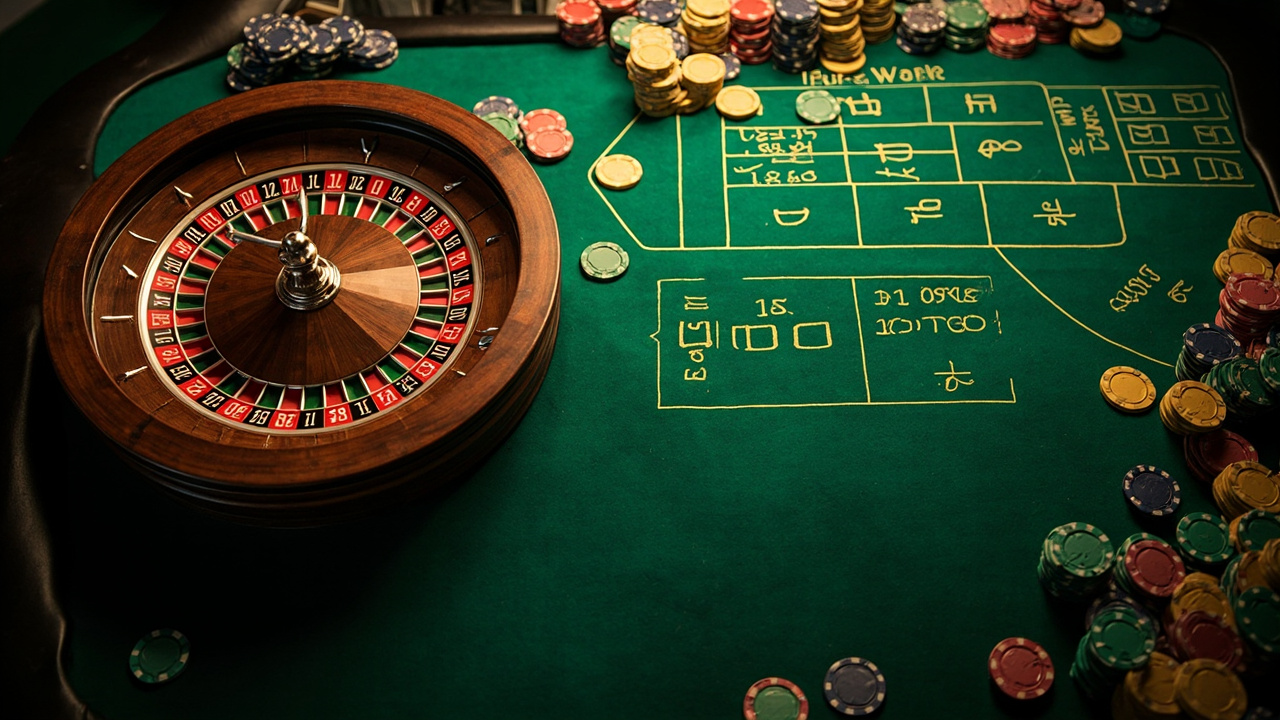
Players often mix card games and other table formats in the same session, and sometimes that leads to side questions about starting hands in different games, such as reading the strongest starting hand when a poker variant is also on the menu. That kind of crossover is fine as long as the table you are on keeps its own rules and payout wording separate and easy to confirm.
Practical Conditions, Limits, and Trade-offs
No table format removes the house edge, and multi-hand play does not turn into a sharper way to beat the maths just because you are making more decisions per round. The real trade-off is between engagement and exposure: more hands can make the session feel livelier, but it also raises the per-round spend and can make variance hit harder over short stretches. A sensible approach is to treat the table minimum, the rule set, and the clarity of the on-screen info as the three things worth checking before you commit, because those are the points that actually shape how readable the game is. If the layout is noisy, the localisation feels generic, or the rule summary is hard to find, the odds are still the odds, but you are working harder to understand them.
Players in Australia often think about where they play in broader social terms, and it is worth keeping the distinction clear: the Returned and Services League (RSL) clubs are famous venues for playing the pokies, while a landmark like the Hippodrome in London was converted into a landmark casino, and those are different worlds with different expectations. Online play sits in its own context, and no amount of interface polish changes the fact that the edge is built into the rules, not into the paint on the screen. The useful question is whether the table gives you enough clarity to play with your eyes open, and whether the session size you choose fits the way you actually want to spend your time.
If you want a calm place to check table details and compare rule wording before playing, you can start from the site’s own entry point at https://casino-stellarspins.org/. The practical test is simple: can you find the deck count, the soft-17 rule, the payout table, and the table minimum without hunting, and does the help content match what the table page says? If the answer is yes, the table is doing its job as a readable game space; if not, the edge has not changed, but your view of it has.