
The principle of energy efficiency is utilized by energy-saving devices. The purpose of energy-saving devices is to minimize energy consumption. The maintenance of stable performance for connected devices is enhanced while overall electrical usage efficiency improves. Refer to the License for specific permissions and limitations.
I believe that each device listed here would be a valuable addition to your home if you aim to conserve energy. As an illustration — a solar charging bank may charge your phone more slowly than when it is plugged directly into an outlet. It remains highly advisable to purchase electricity-saving devices if you seek to reduce your home’s power usage. After plugging this into the outlet and connecting your devices to the front, it will display real-time readings of the power being consumed. Although you still need to monitor your time, this will at least help decrease your water usage.
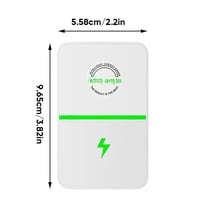
The first step towards permanently ending these scams is to expose them. They lack functionality and are essentially empty gadgets that cannot lower stop watt power saver energy bills. While the onboard capacitor may offer minor power factor correction, it does not decrease the total energy consumption. Essentially, these are basic components that provide no energy-saving function while misleading consumers.
That can result from better design (improved components), more efficient motors, better insulation, or smarter controls. An appliance is energy efficient when it can provide the same useful output while consuming less energy. Most homeowners pay for electricity based primarily on the amount of energy they consume (measured in kWh), although electricity tariffs vary between providers and locations. The question is whether those principles translate into meaningful energy savings for a typical household.

Your source for deals, product reviews and consumer news.
The show indicated that if any of the tested devices had functioned as advertised — the episode would have been one of television’s most iconic hours. According to the show — only seven out of the 104 fuel efficiency devices examined by the EPA demonstrated any efficiency improvement, and even then, it never exceeded six percent. The show assessed a carburetor that claimed to enhance fuel efficiency to 300 miles per US gallon , 0.78 L/100 km,. The viability of running a gasoline engine car solely on hydrogen gas was confirmed by the show, though high hydrogen gas costs and storage challenges hinder widespread implementation.
The functionality of an electricity-saving device explained.
The likelihood of falling victim to scams decreases as more people grasp these concepts. An informed consumer base serves as the strongest defense against these scams. Gaining insight into the marketing strategies of ineffective devices can empower you to avoid similar scams in the future. Switching to LED lighting is one of the simplest and most effective methods for reducing energy consumption. A closer inspection of most plug-in power-saving devices reveals a reality that is far less impressive than the marketing would suggest.
Why the Type of Device Matters
However, operating leaner than what the manufacturer recommends can lead to overheating, piston damage, reduced maximum power, and poor emissions; for example, higher NOx levels resulting from increased combustion temperatures or, if misfiring happens, elevated hydrocarbon emissions. Altering the accessory drive system can enhance fuel economy and performance to an extent. Claims that aftermarket fuel-saving devices can somehow improve fuel economy, exhaust emissions, or optimize ignition, airflow, or fuel flow for automobiles are commonly made. This contributes to supporting our site and enables us to keep providing valuable content to you. A simple examination of how oil prices, geopolitics, refining, taxes, and exchange rates influence what drivers pay at the gas station.
These gadgets are beneficial for holiday travel, as they allow remote control of your lights. By using smart plugs, any standard appliance can be transformed into a smart device, enabling remote control through an app or voice commands. Given that heating and cooling constitutes about 50% of your energy use, significant savings can be achieved. With smart plugs added, you can manage your home electronics, lights, and other devices from any location. Connect your home hub with a variety of compatible smart gadgets to control your thermostat or light bulbs using voice commands. With these gifts, the tech enthusiast receives an enjoyable gadget along with energy savings for their home.
The utility of power factor correction in an industrial facility does not imply that plugging a small correction device into a residential outlet will lower a household’s electricity bill. Instead of attempting to alter the electrical characteristics of your home (these devices manage when an appliance operates and can), depending on the model, measure its energy consumption. Designed for direct connection to a household electrical outlet — plug-in energy-saving devices are products created for this purpose. While others are more proactive in reducing your electricity bills, once you realize exactly what you are using and how much you could save, you won’t want to return to your old ways. As stated by the CDC — most individuals shower for about 8 minutes, and with a water flow of 2.1 gallons per minute, you waste considerable (heated) water if your showers run too long. The Tapo app provides an in-depth analysis of usage and allows control of the outlet.
What Is an Electricity Saver Device

Have you ever stumbled upon a scam involving a well-known brand or name? Commonly, impersonation scams are a tactic used by fraudsters to steal your money. This proactive measure can be vital in preventing identity theft and reducing the likelihood of falling for scams.
This is one reason why power factor correction is commonly implemented in commercial and industrial settings. To determine if a plug-in energy-saving device can genuinely decrease your electricity bill, it’s important to examine what these products aim to modify within an electrical system. Similarly, a smart plug can conserve energy by shutting off an appliance when it is unnecessary, while a power-saving box may claim to enhance efficiency without altering the operational duration of your appliances. The type of electrical loads involved and the design of the equipment will determine whether meaningful energy savings can be achieved. While power factor correction has valid applications in commercial and industrial electrical systems — its relevance to residential electricity costs is more complex.
Establish your budget and select a device that aligns with your financial parameters. Devices that come with warranties and guarantees offer additional protection and peace of mind. Seek out devices that are user-friendly in terms of installation and operation, and that include clear instructions and documentation. Verify the compatibility of certain devices with specific types of appliances or electrical systems before making a purchase. Ensure that the device you choose is suitable for your existing wiring and appliances. After that, evaluate the potential energy savings that the device can offer.